2022
6th semester | 10 weeks
Course coordinators: Gediminas Kirdeikis & Per-Johan Dahl
Individual work
CULTURE OR NATURE?
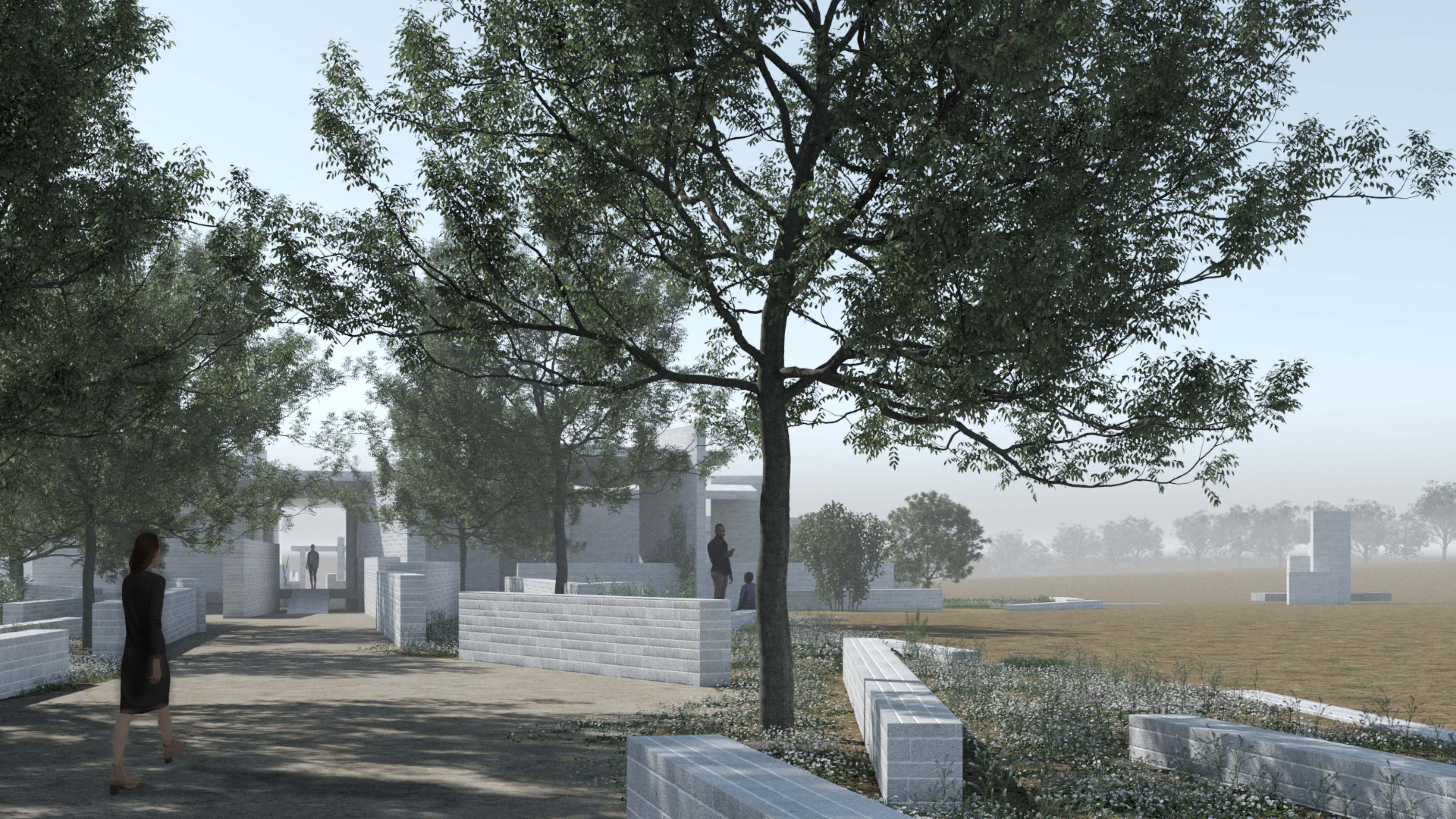
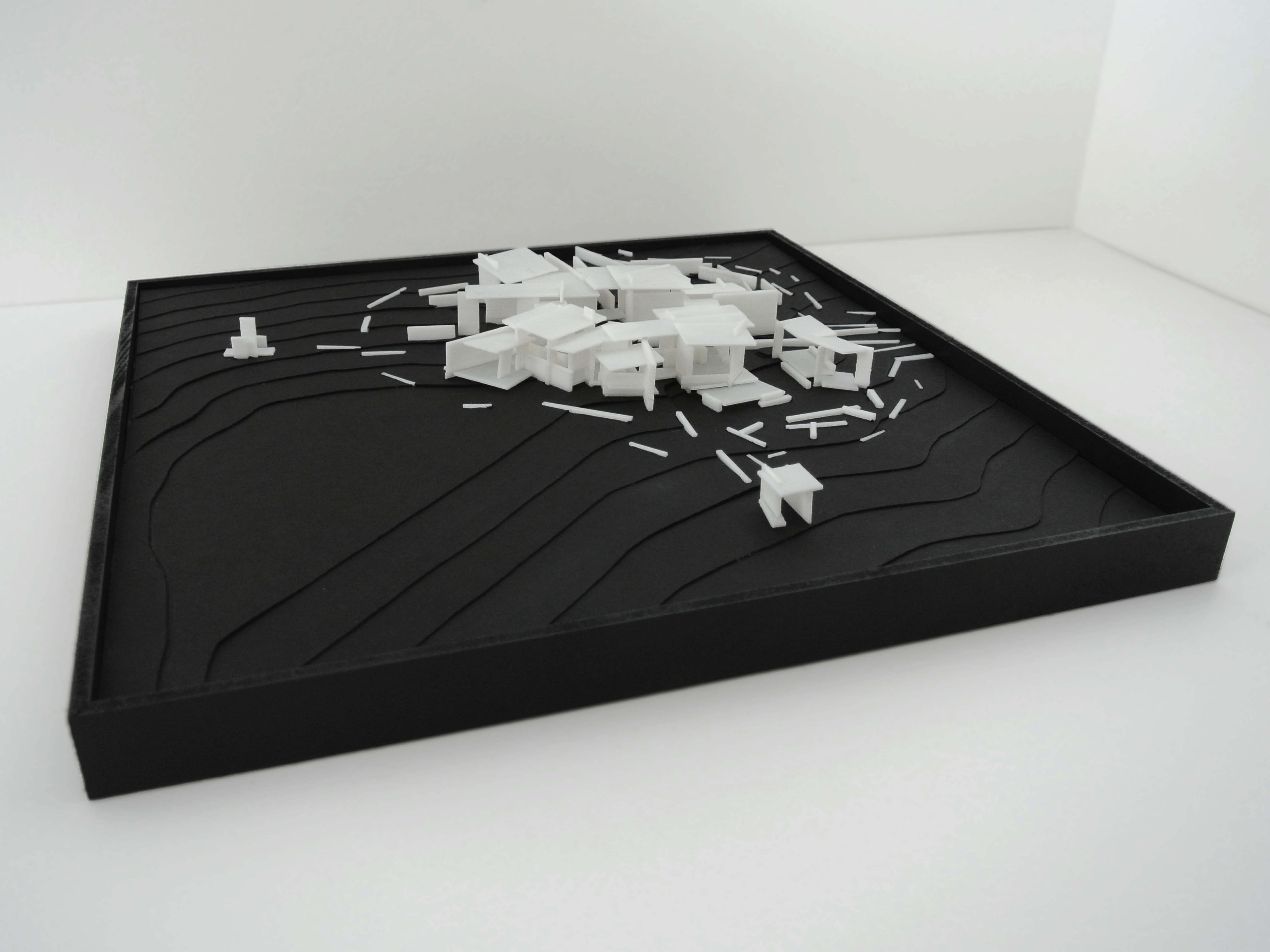
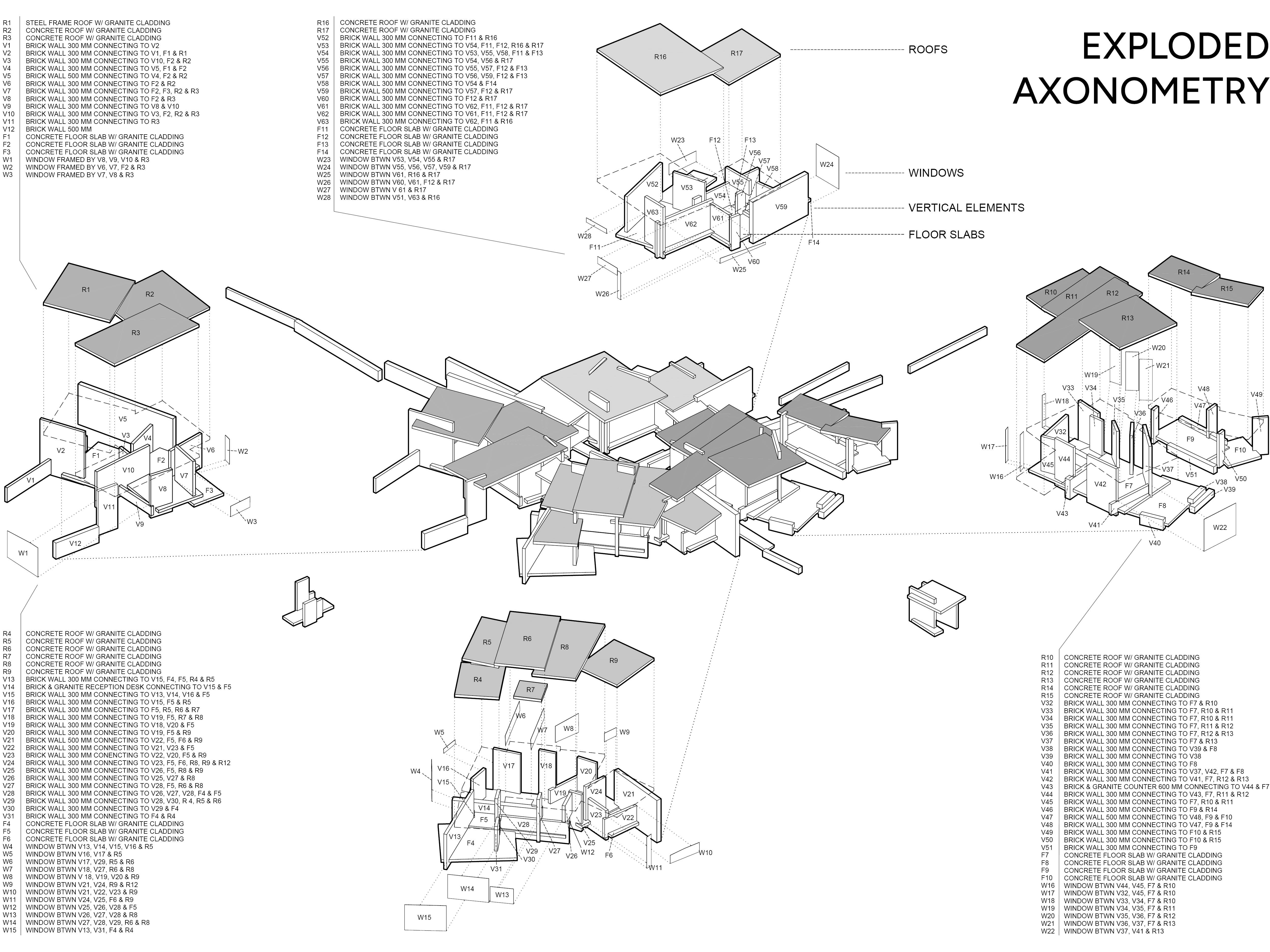
Nature slowly takes over this naturum which aims to highlight how efficient agriculture affects biodiversity. Like the tree lines in the pre-existing landscape, the naturum appears to be falling apart – but at the same time makes evident the interdependence between the parts and the whole.
THE SITE
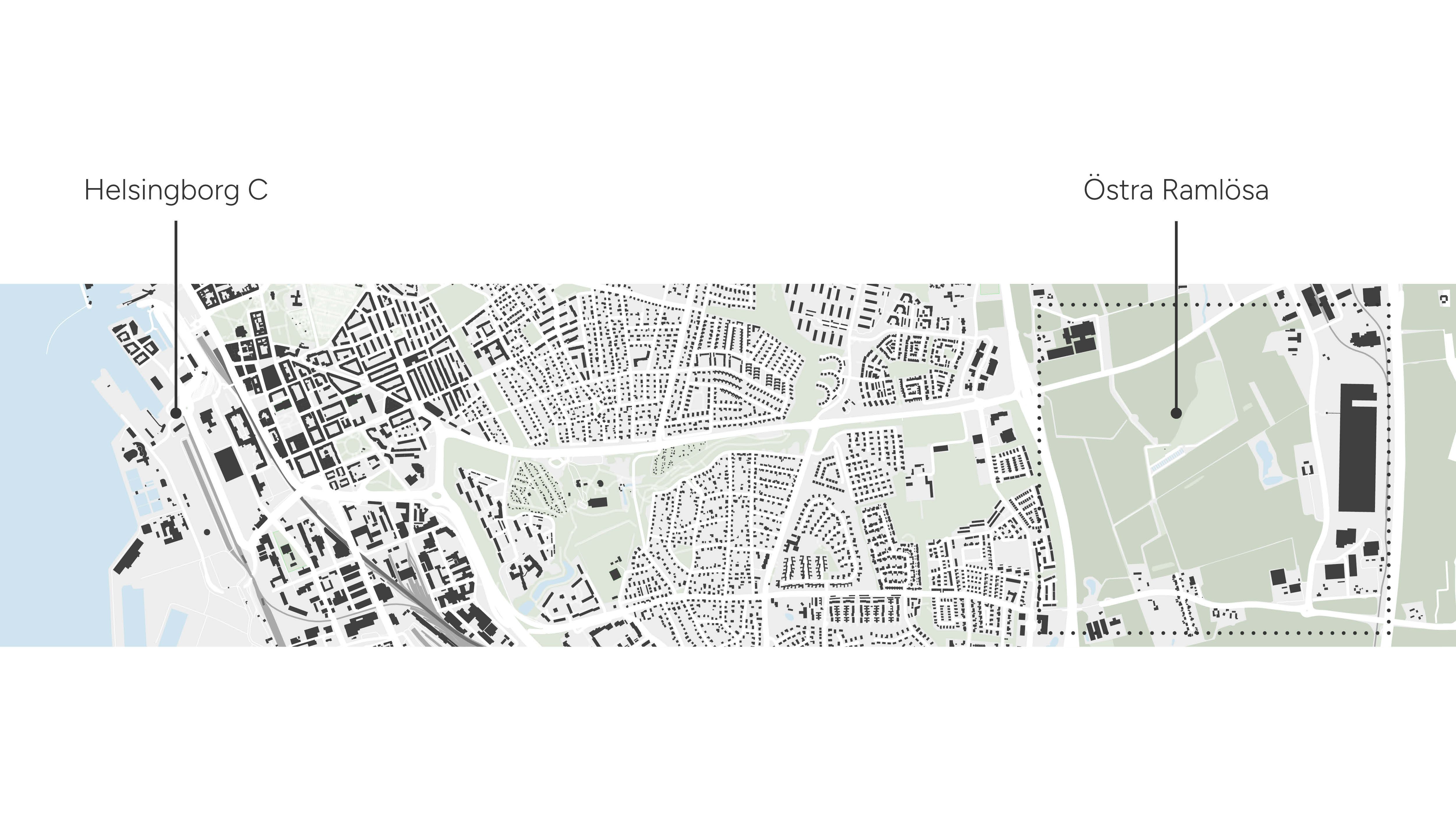
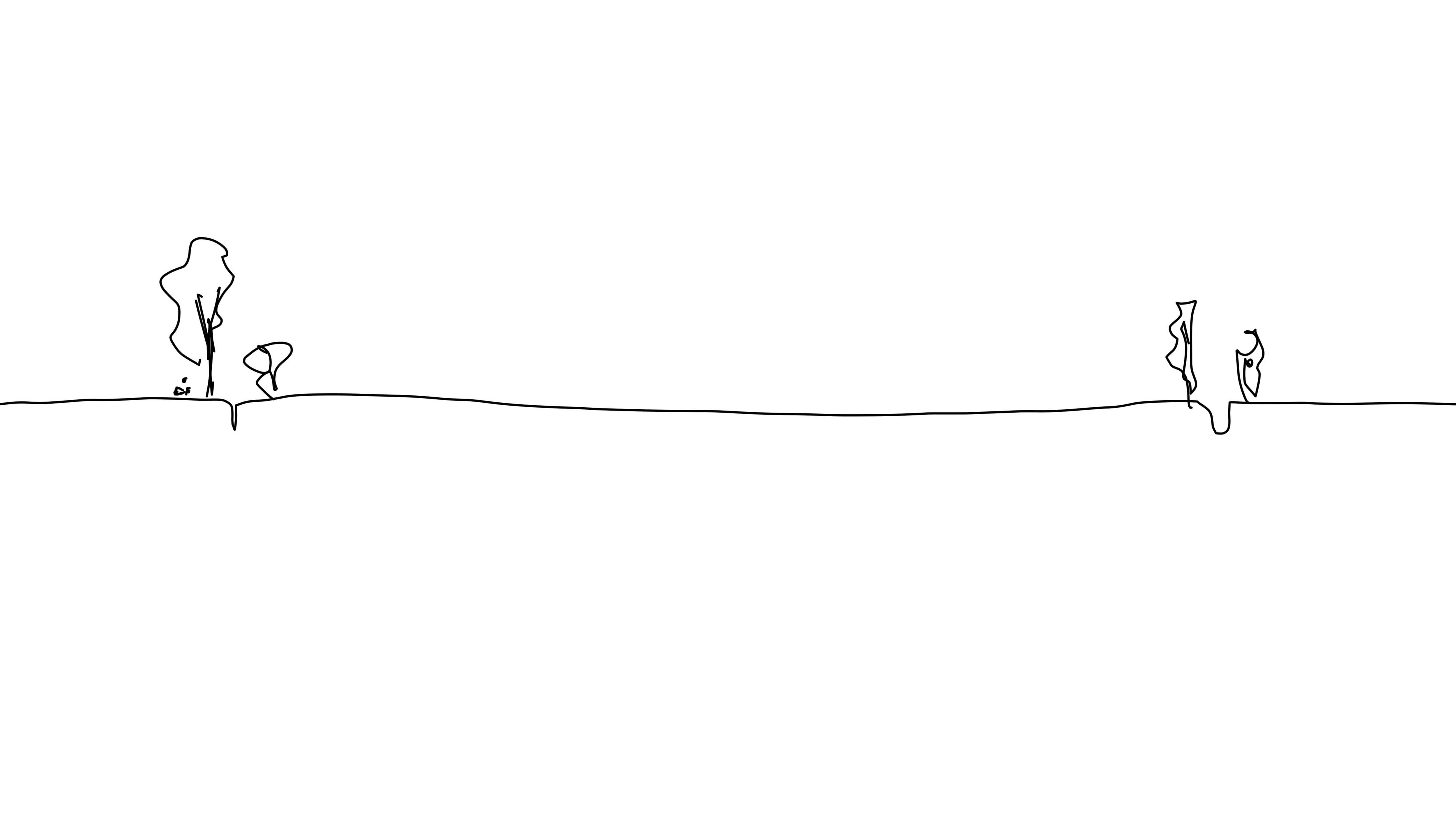
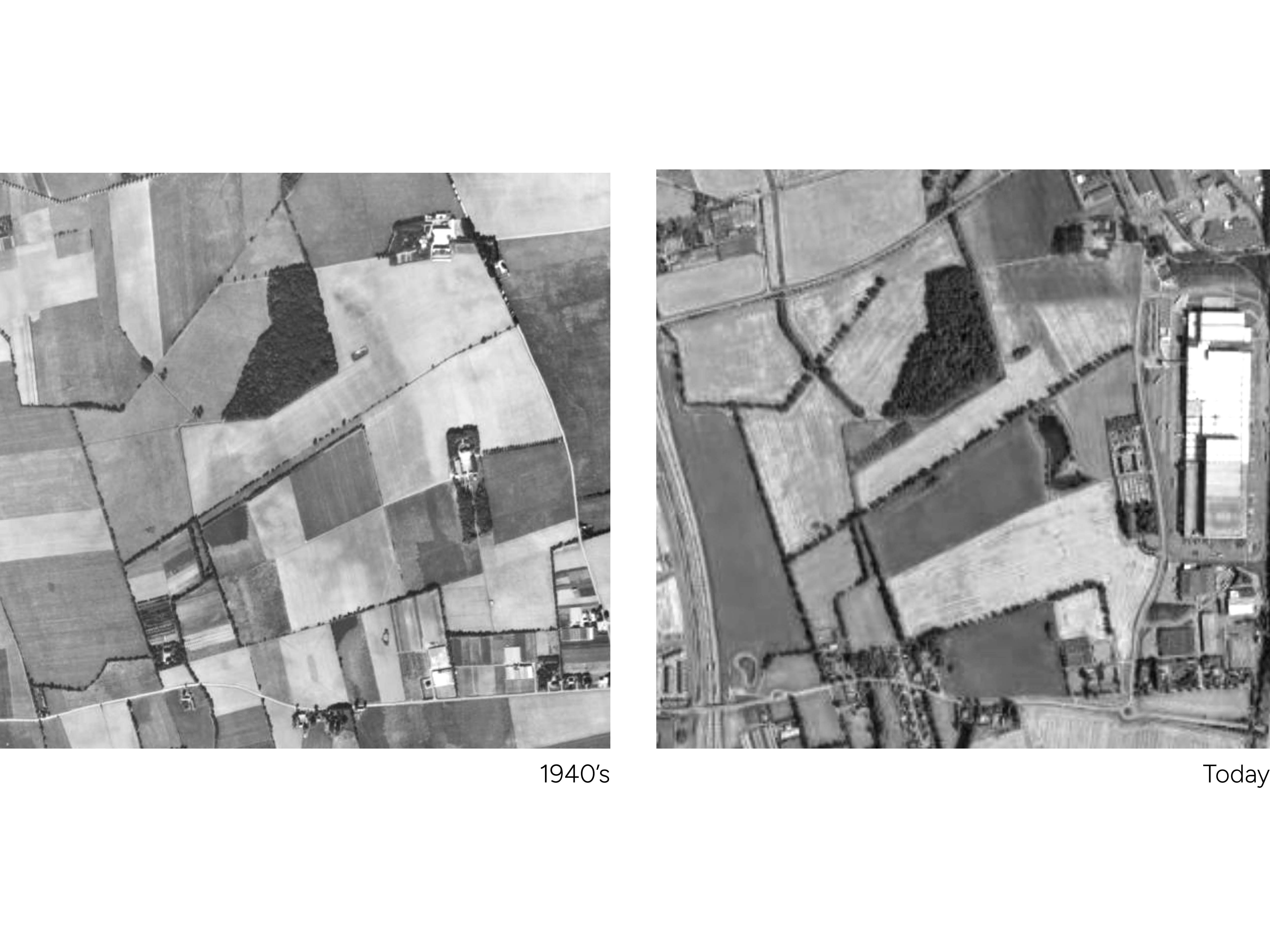
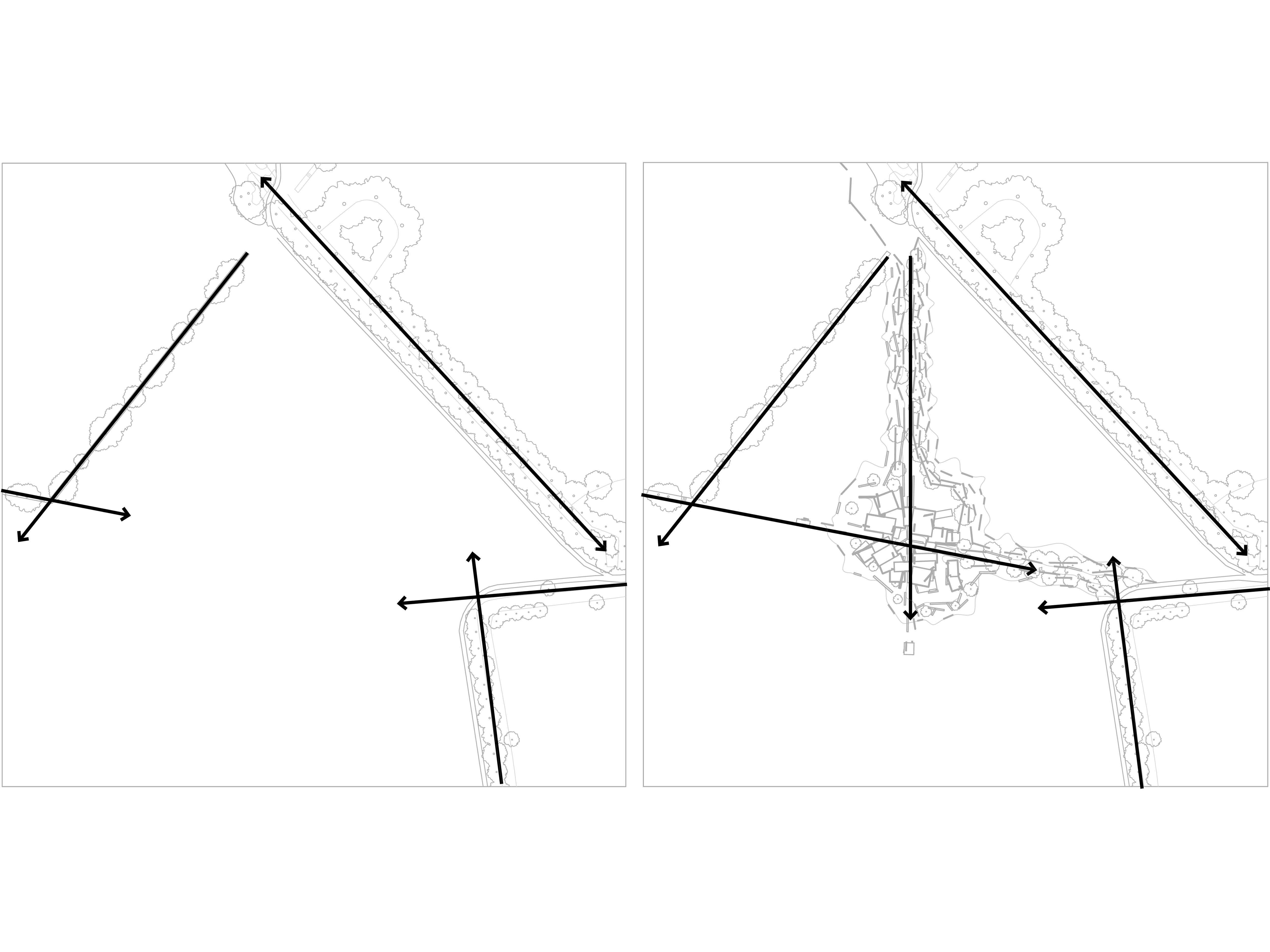
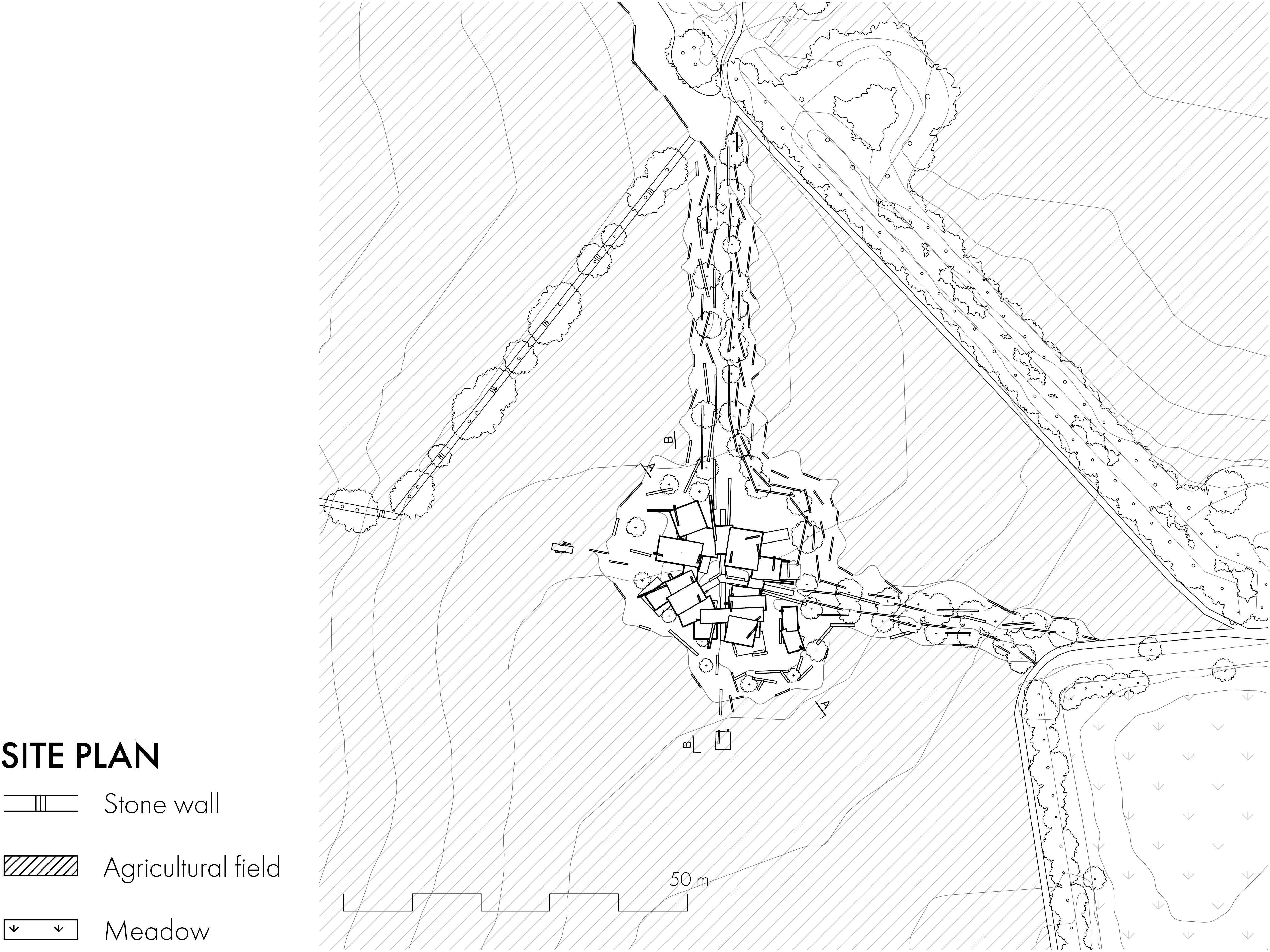
The site of the project consists of high quality agricultural land; a vast landscape with a strong horisontality that is occasionally interrupted by tree lines. These old site boundaries often also contains a stone wall. They constitute strong spatial and axial elements in the landscape. From an ecological perspective, they are important biotopes for plants, insects and birds.
BIODIVERSITY ON THE DECLINE
Over time, the rich biotopes in between the fields have diminished, as agriculture has become more efficient with ever growing fields. Is this a sign of how humans in general have distanced themselves from nature, at the same time as we affect it more than ever? Why do we need a naturum to see the beauty – or fragility – in nature? During the process, ‘detachment’ became a recurring word, describing both a physical separation and the feeling of indifference.
NEW LINES
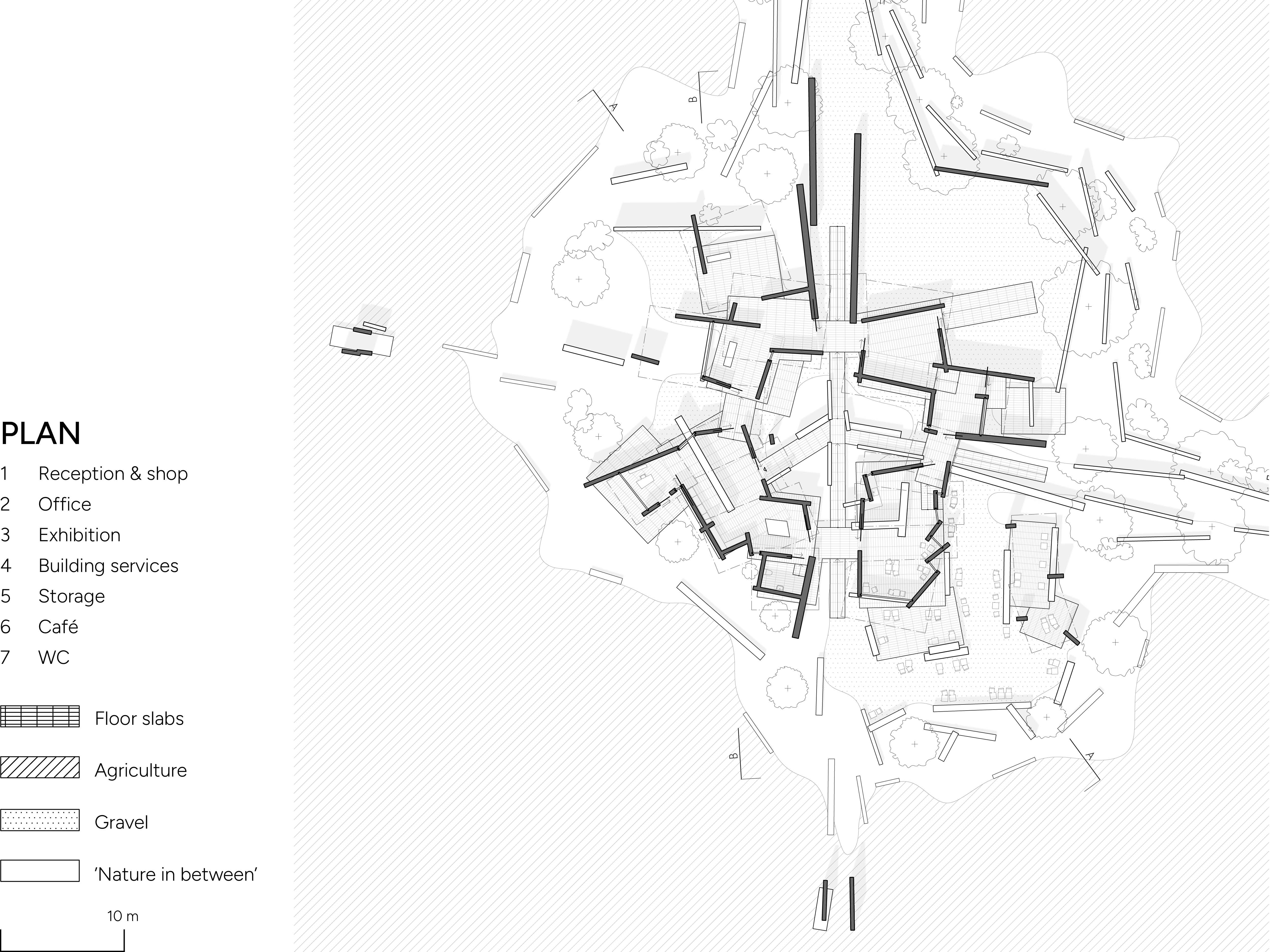
The visitors arrive to the naturum either from north or south. Both of the arrival paths are set between vertical brick elements, between which a meadow-like greenery seems to attempt to spread out over the path and the fields.
DETACHED FROM THE GROUND
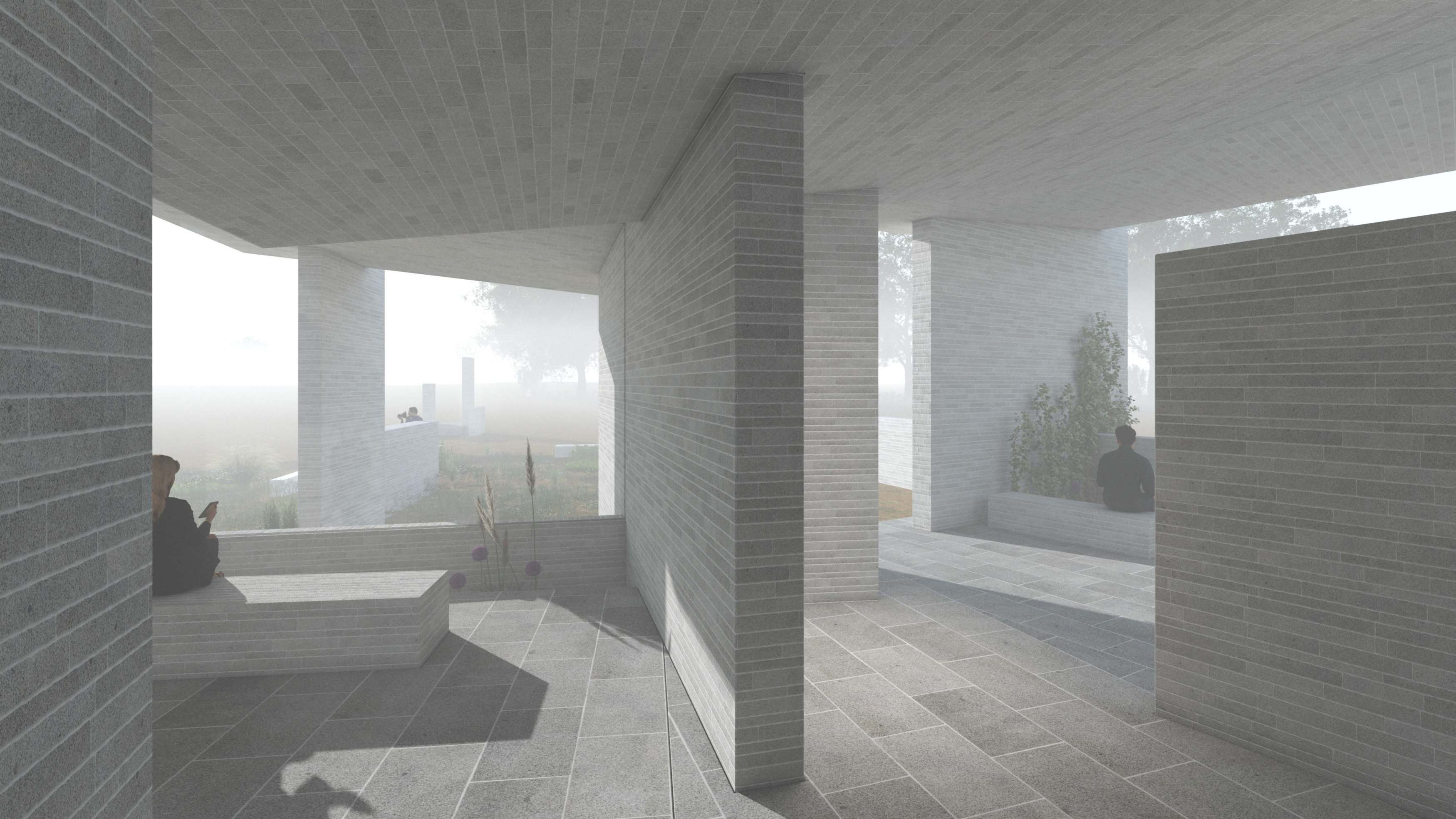
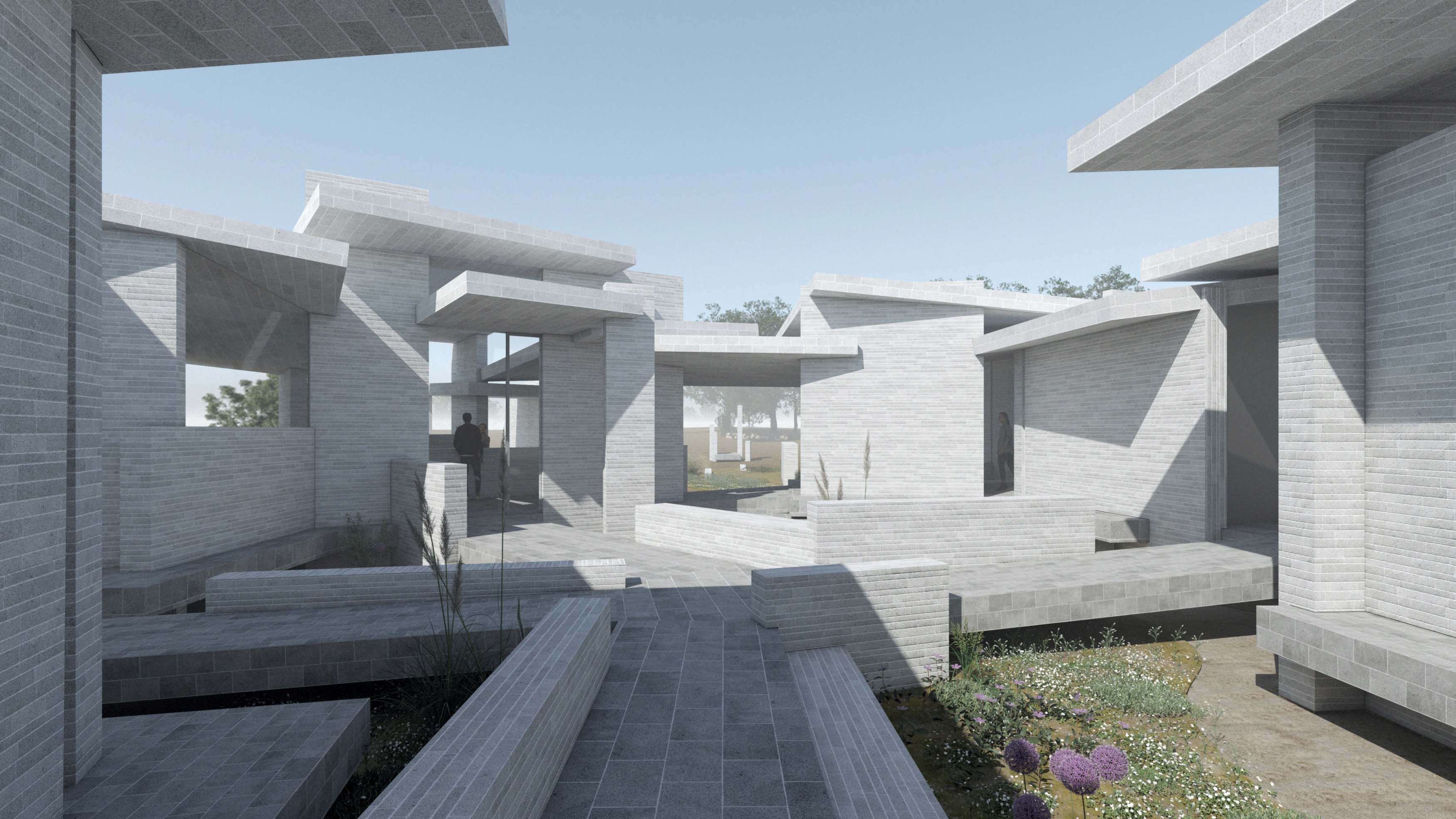
Approaching the building, ramps separate the visitor slightly from the ground. In order to reach the reception, one has to pass the courtyard of the naturum. View from the eastern entrance.
LIFE IN BETWEEN
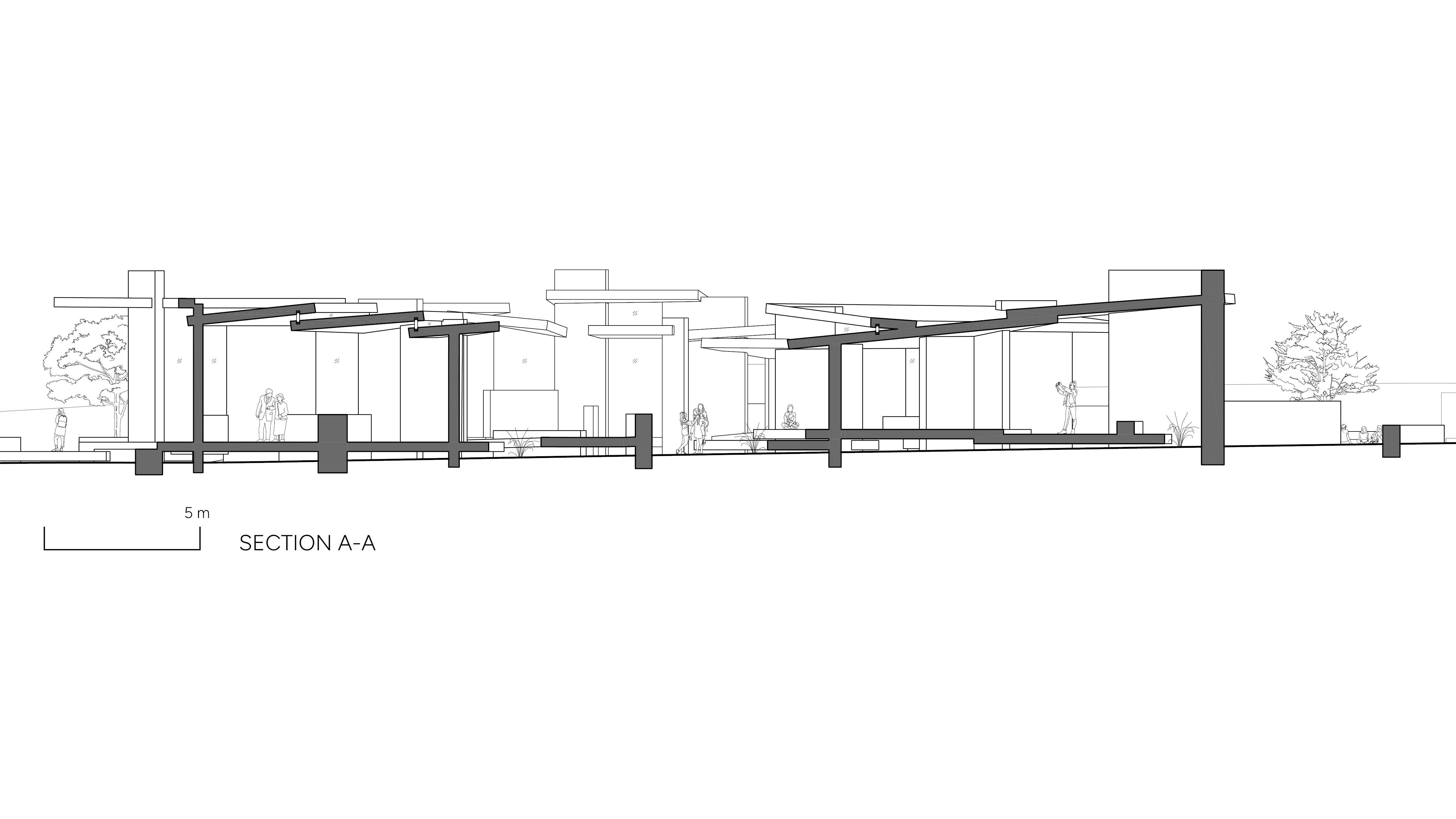
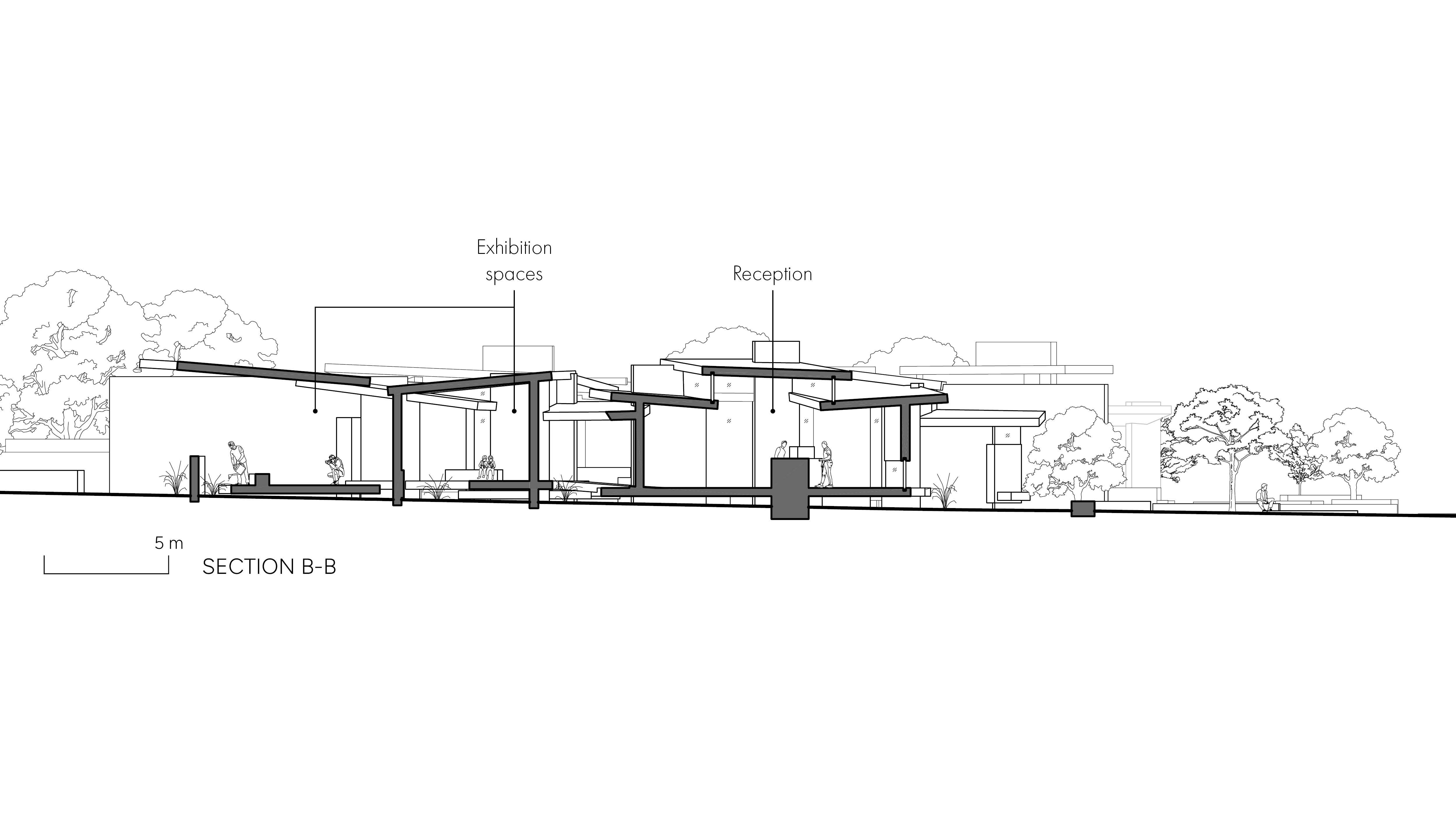
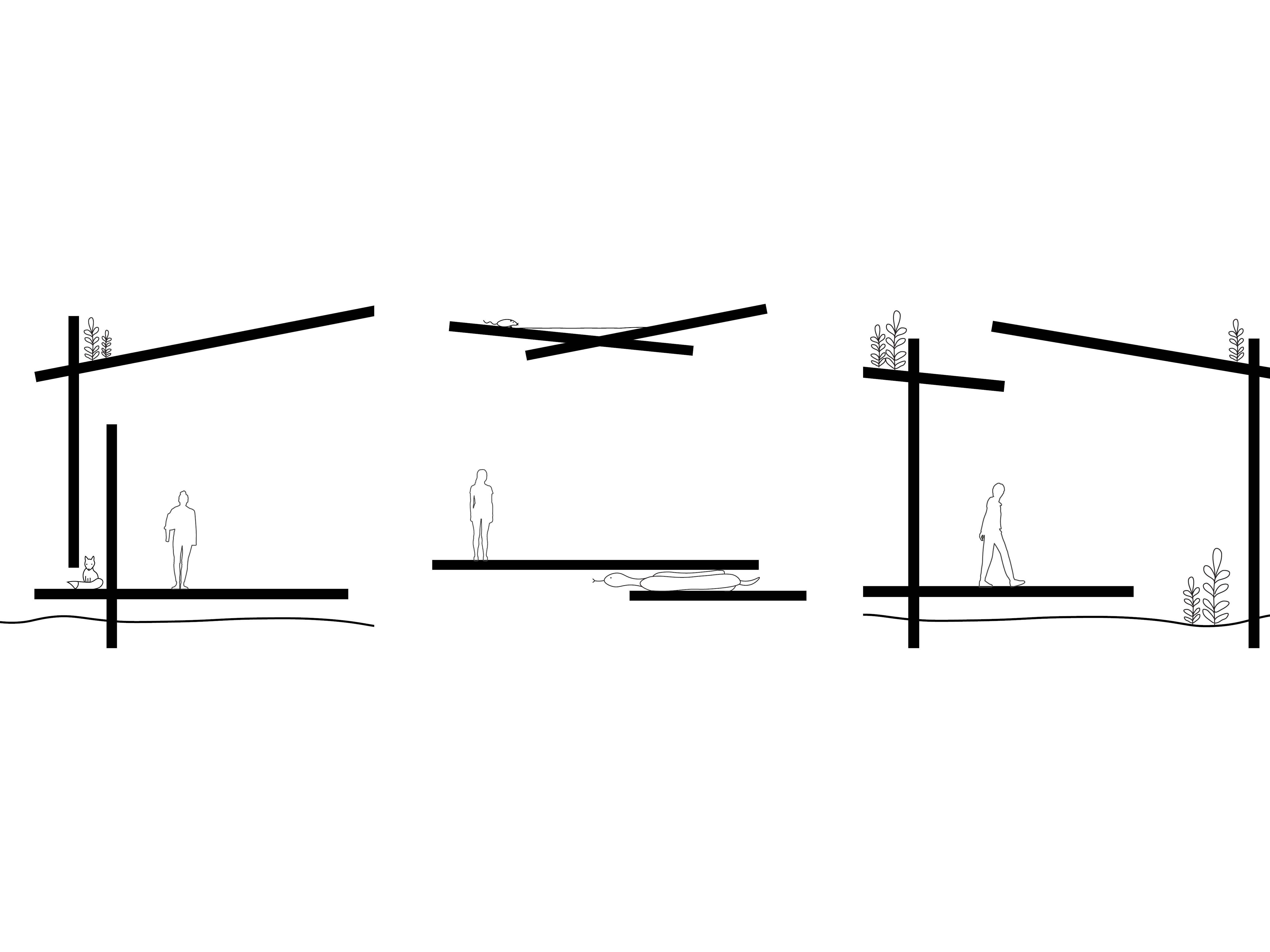
Because of how the elements had been joined with each other in the sculpture, small spaces and nooks appeared in between the larger spaces. These were associated with the spaces in between the fields at the site, which are places with a rich biodiversity.
The idea for the naturum was thus to incorporate small spaces which are for nature – not for humans – and openings towards nature in unexpected places, where nature can seep in. It could be light or rainwater, plants or animals. This also meant that all spaces did not have to be entirely enclosed and climate regulated; nature should to at least some extent be present also inside of the naturum.
 KARIN TÖRNSTRÖM