2021
5th semester | 6 weeks
Course coordinator: Maria Rasmussen & Laura Liuke
Group work with Adam Rydén

FROM INDUSTRY TO HOUSING
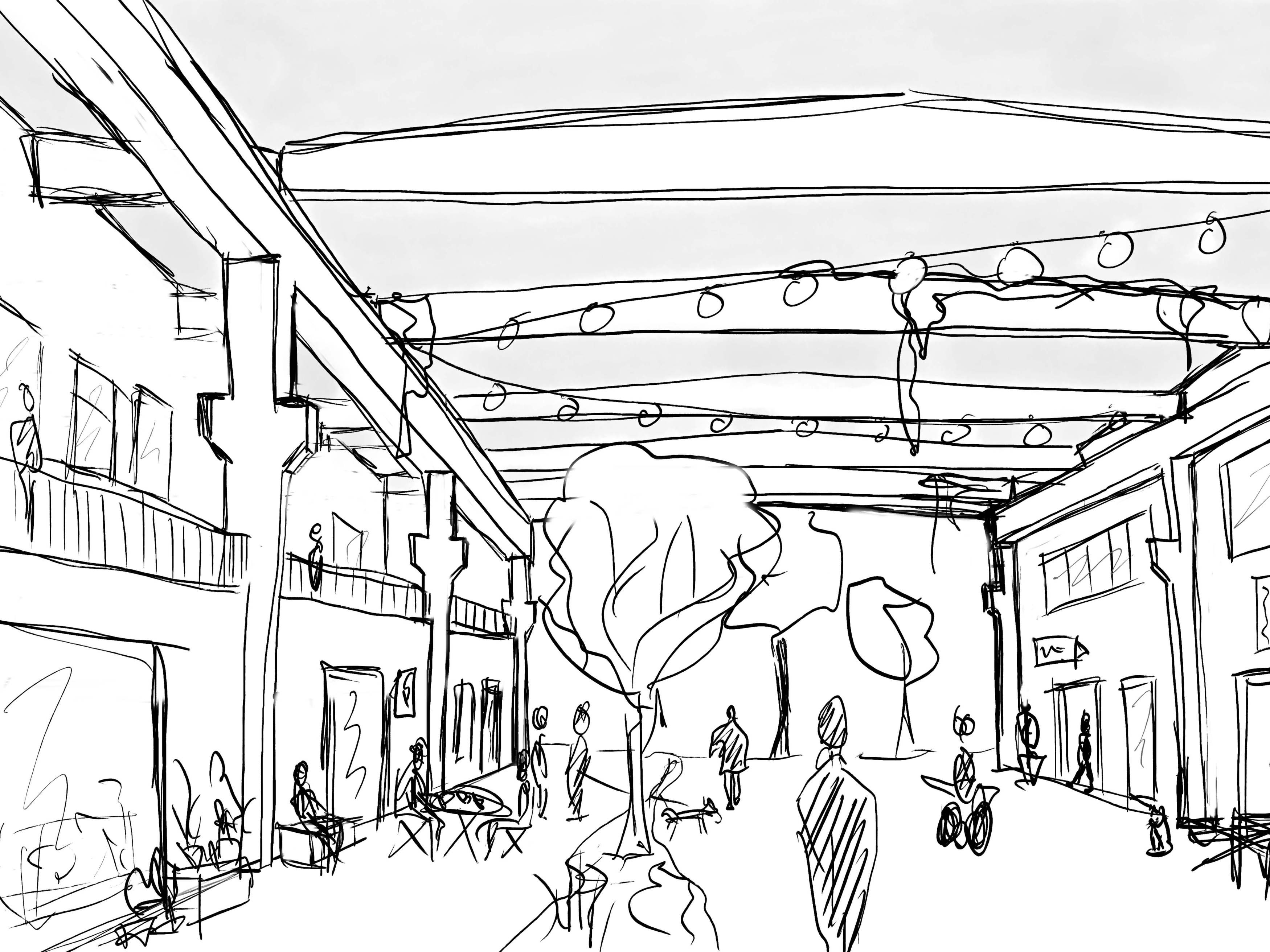
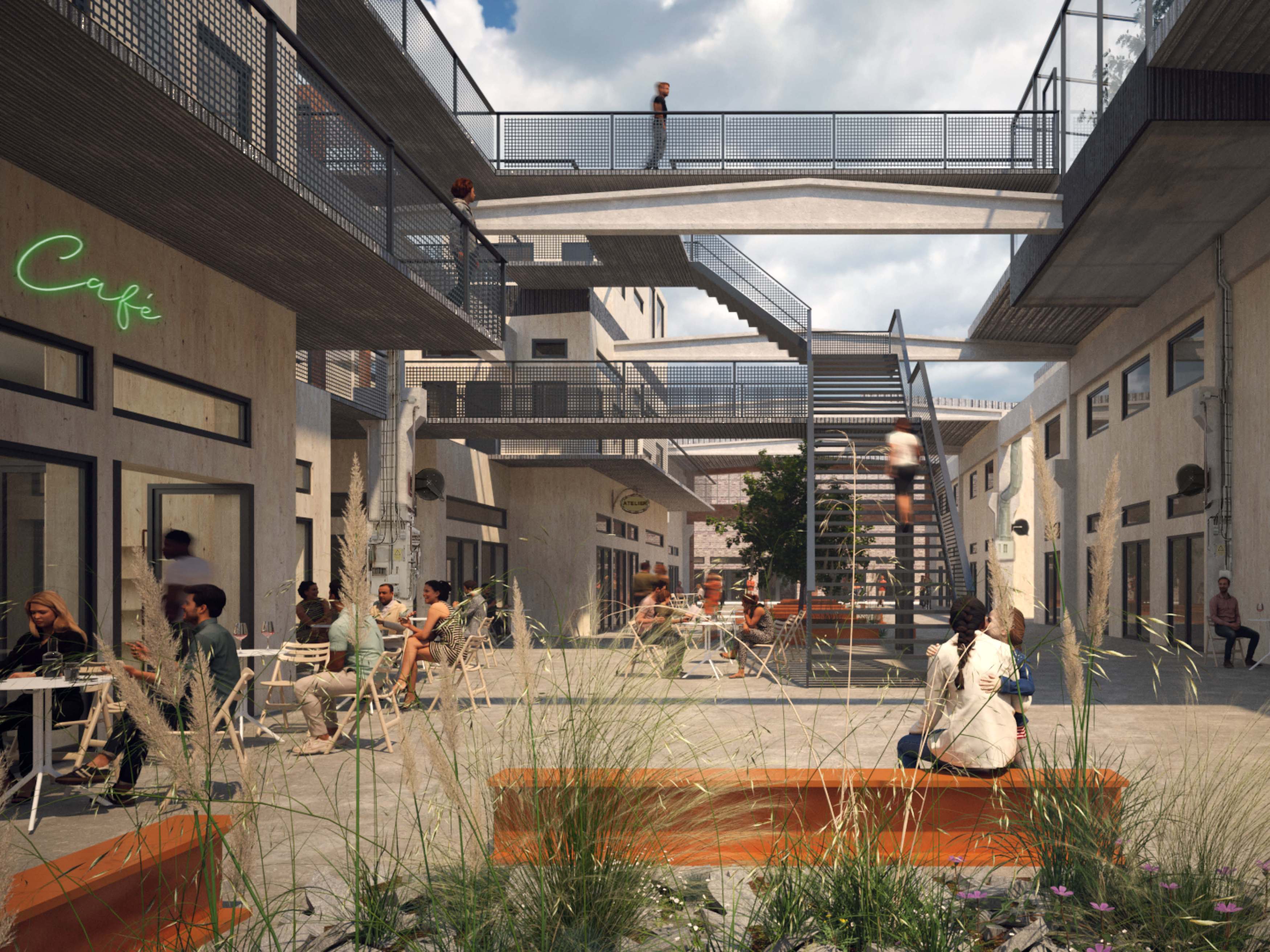
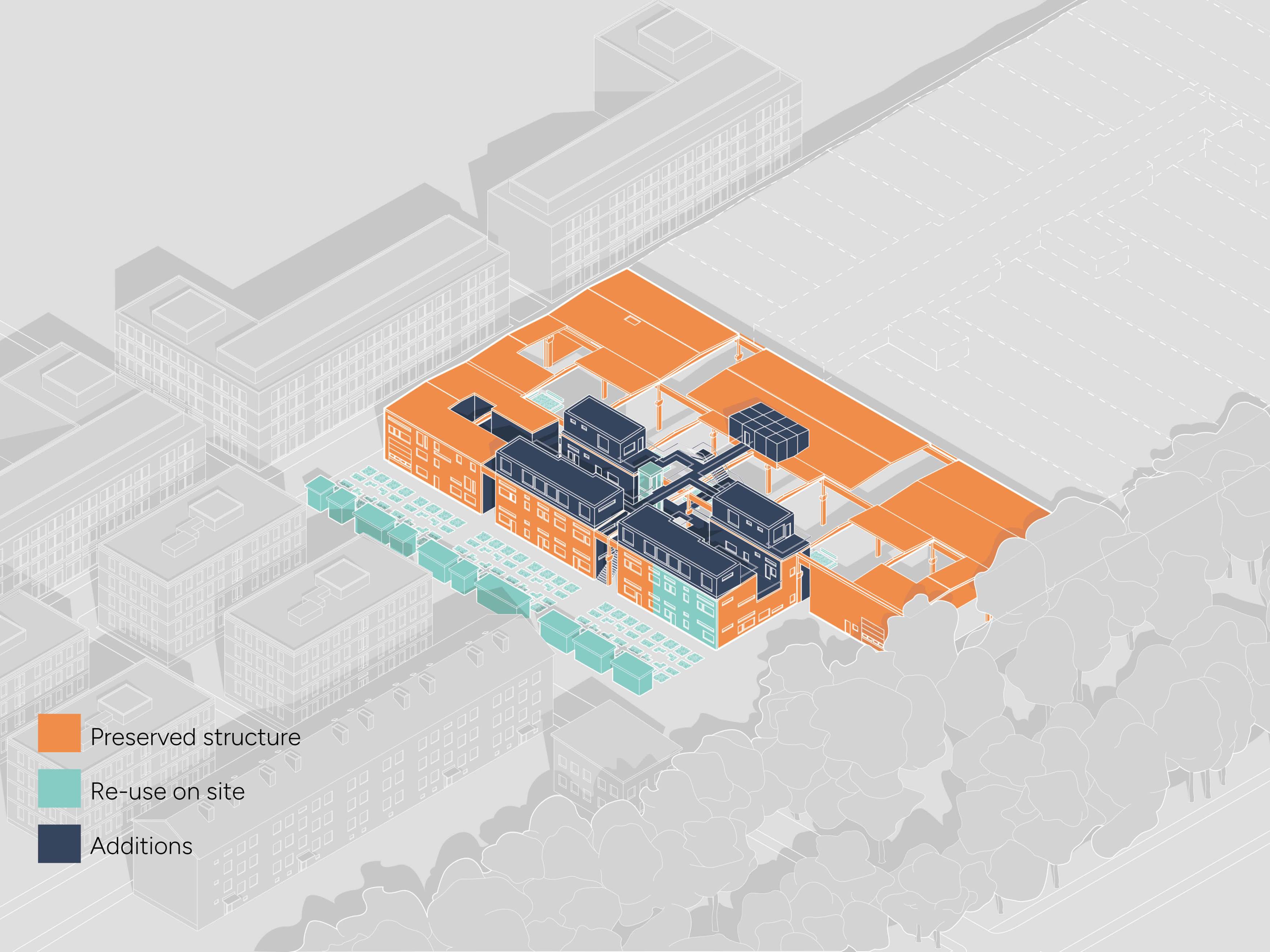
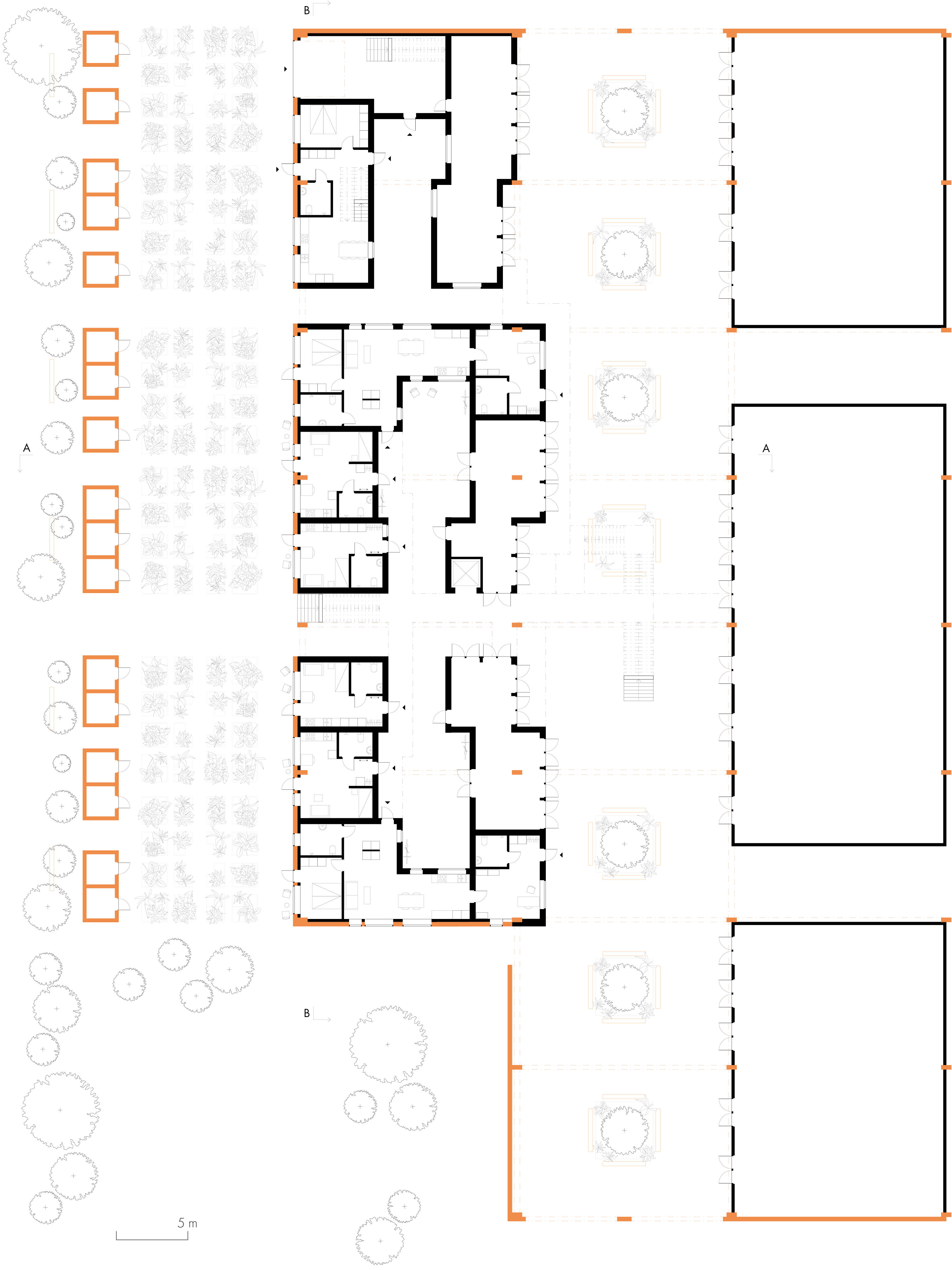
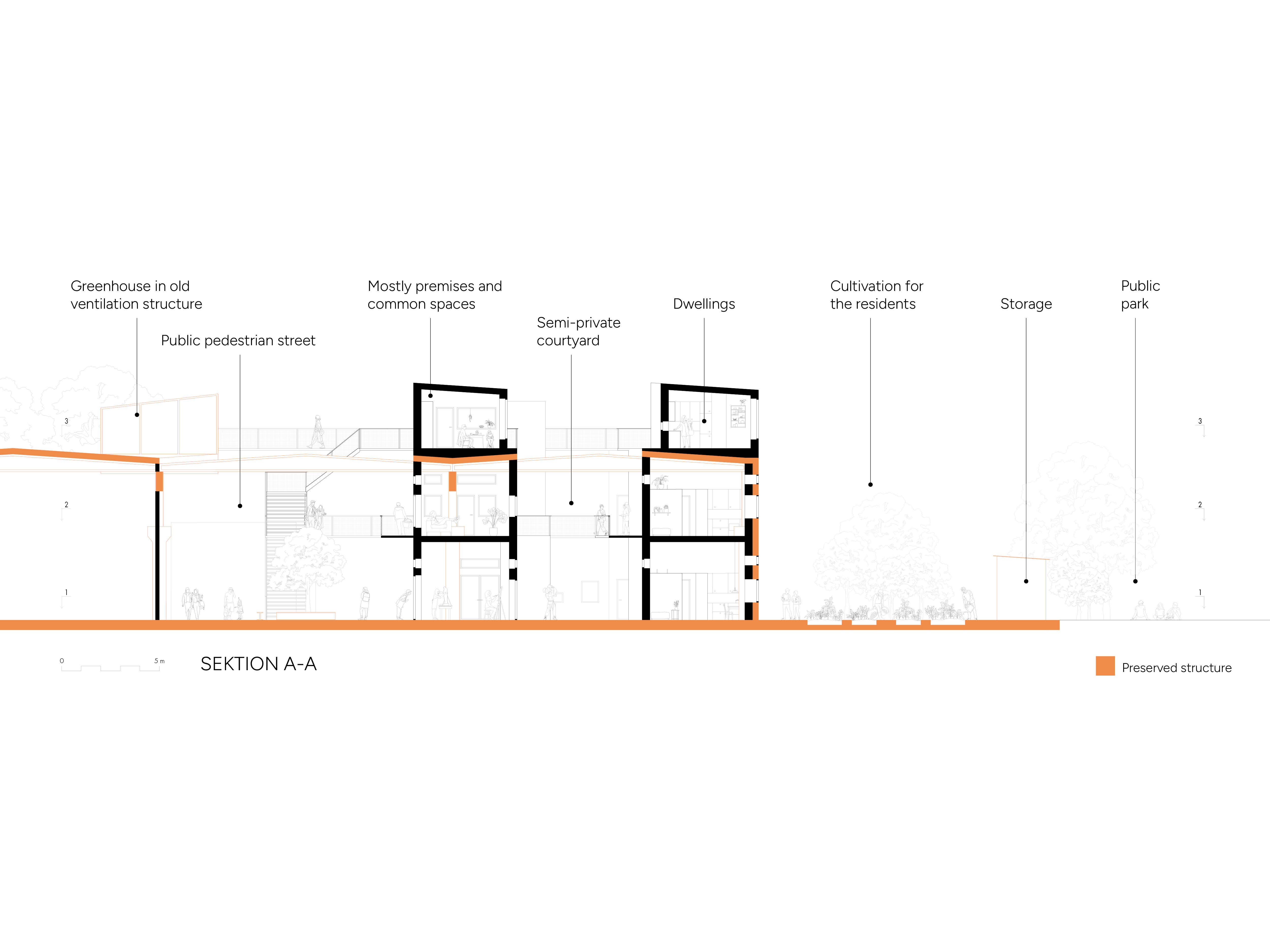
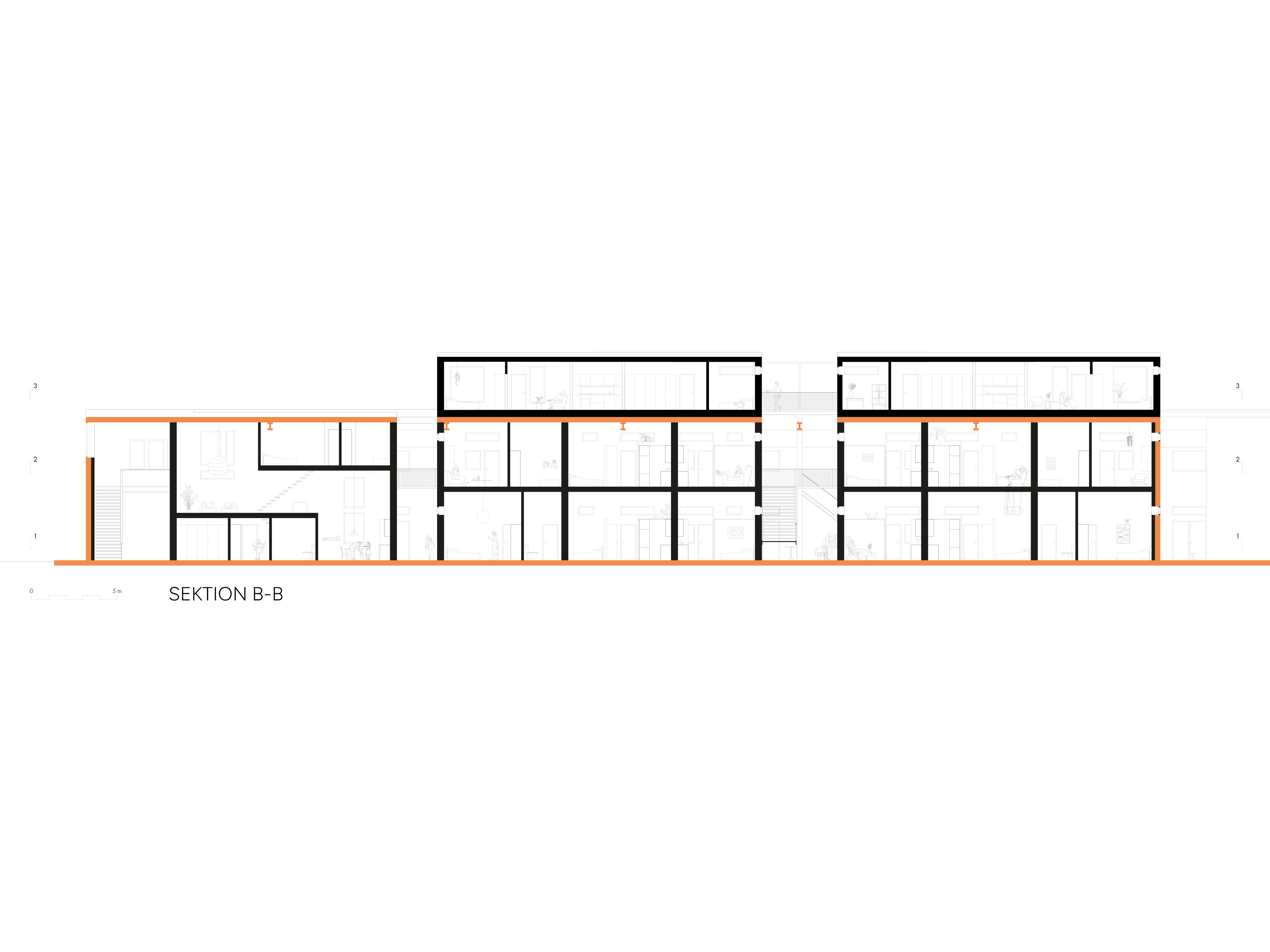
An industrial warehouse is transformed into a residential building aimed at a productive lifestyle, with direct access to shared facilities and a living city space. The existing building is re-used as much as possible, for reasons of both ecological sustainability and to preserve the soul of the place. The task was to design dwellings with emphasis on ecological and social sustainability.
CONTEXT
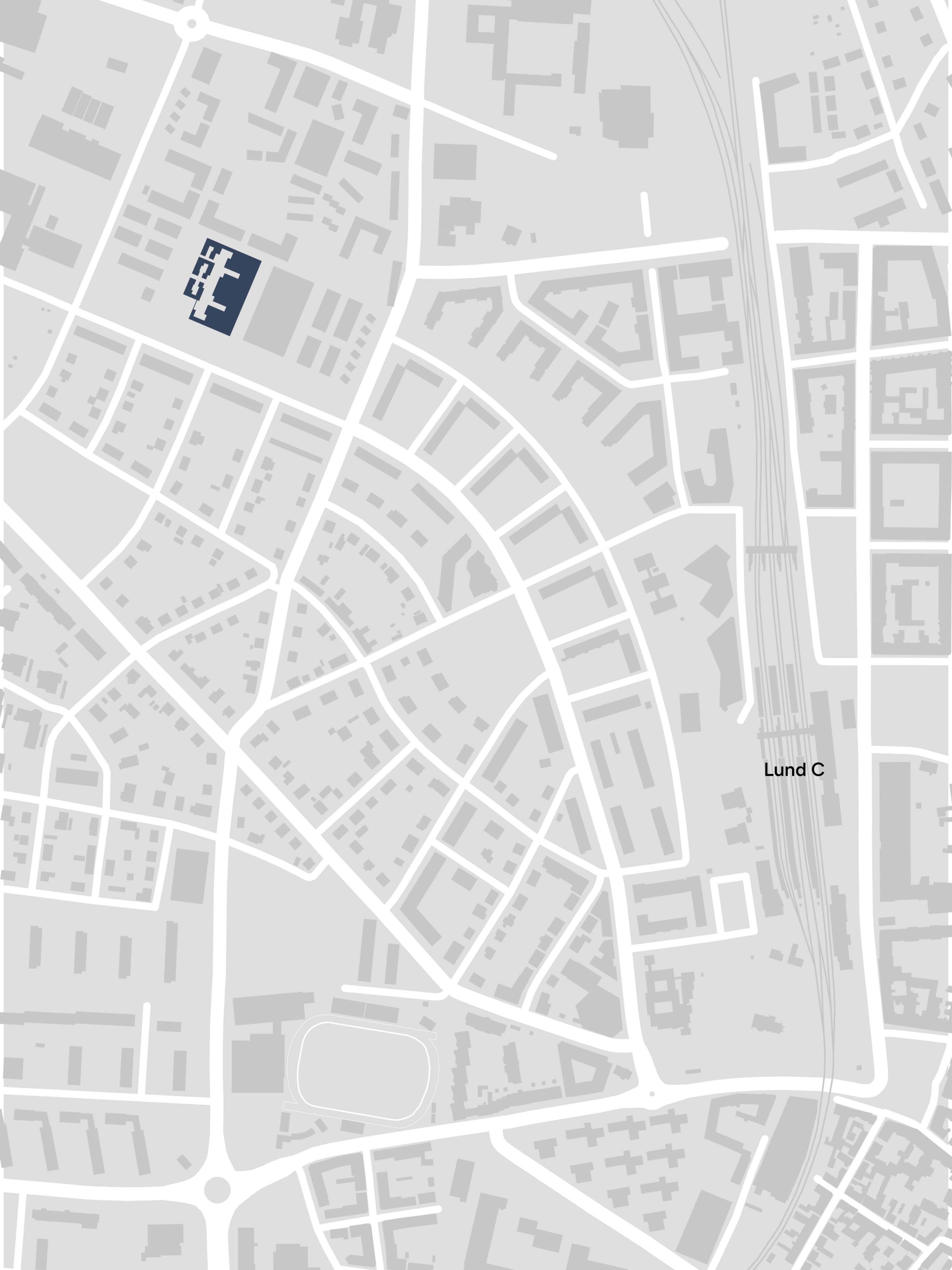
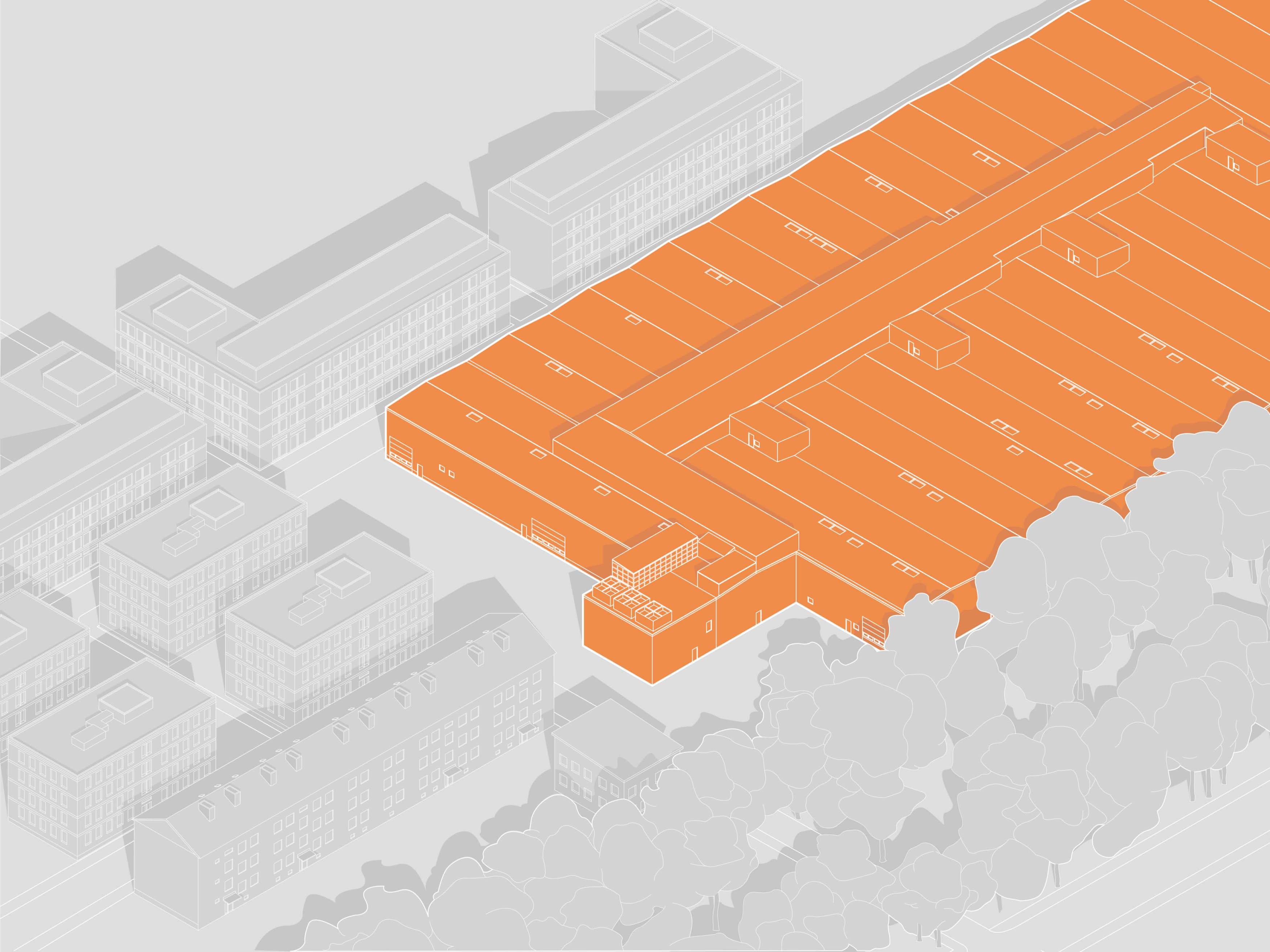
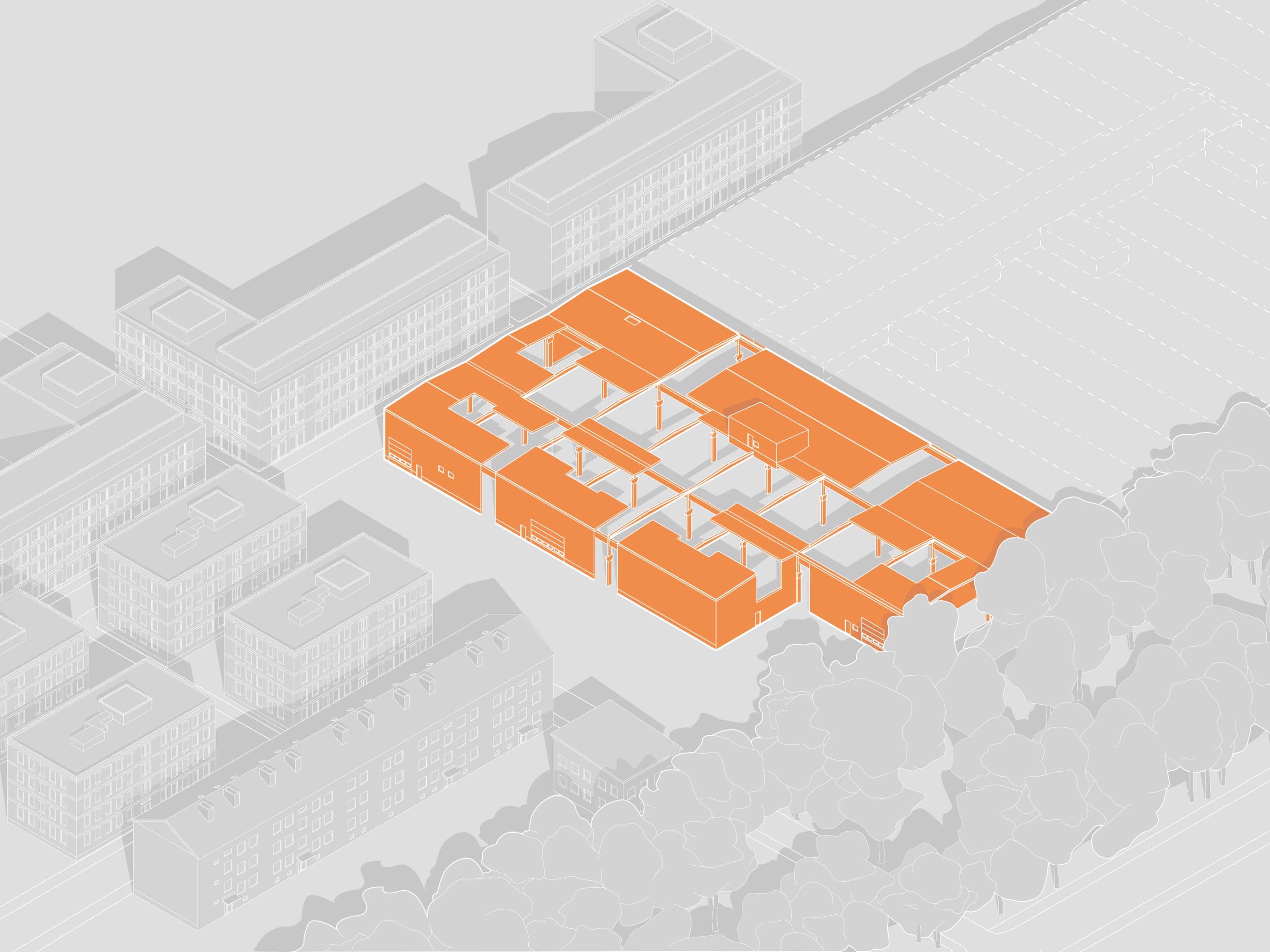
This project focuses on a part of Värmeväxlaren 3, which today is a large industrial warehouse in the district of Västerbro in Lund. City plans and strategies from a previous city planning course were used as a basis for this project. The starting point for the city planning project was that Västerbro, due to its central location, would be well suited to become a district with the character of a mixed city with residential, commercial and service functions. For this to be possible, the large-scale industrial blocks and builidngs has to be broken up into smaller units (see site plan). At the same time, it was important to preserve some of the industrial character of the area, in order not to erase its history.

SOCIAL SUSTAINABILITY
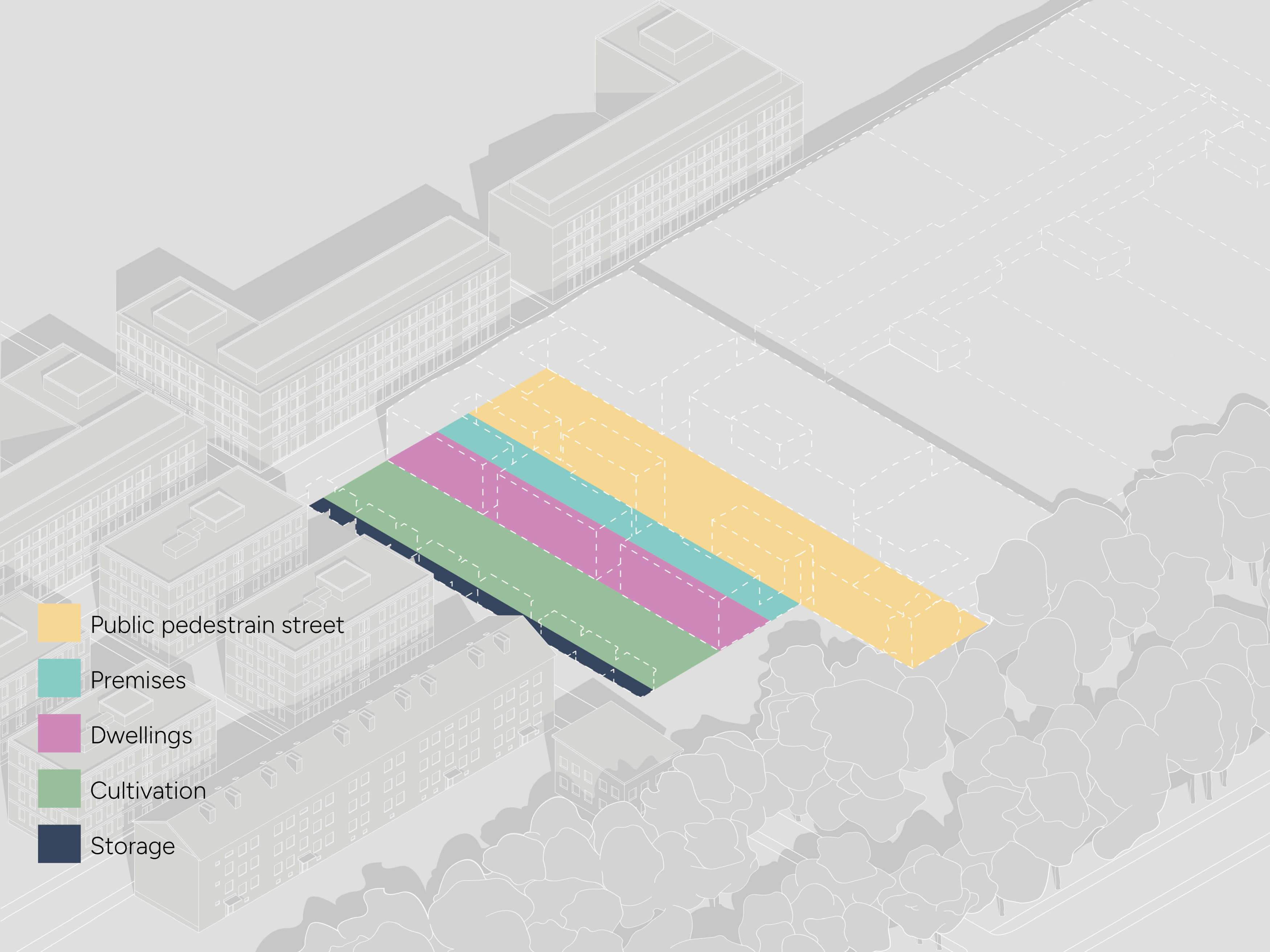
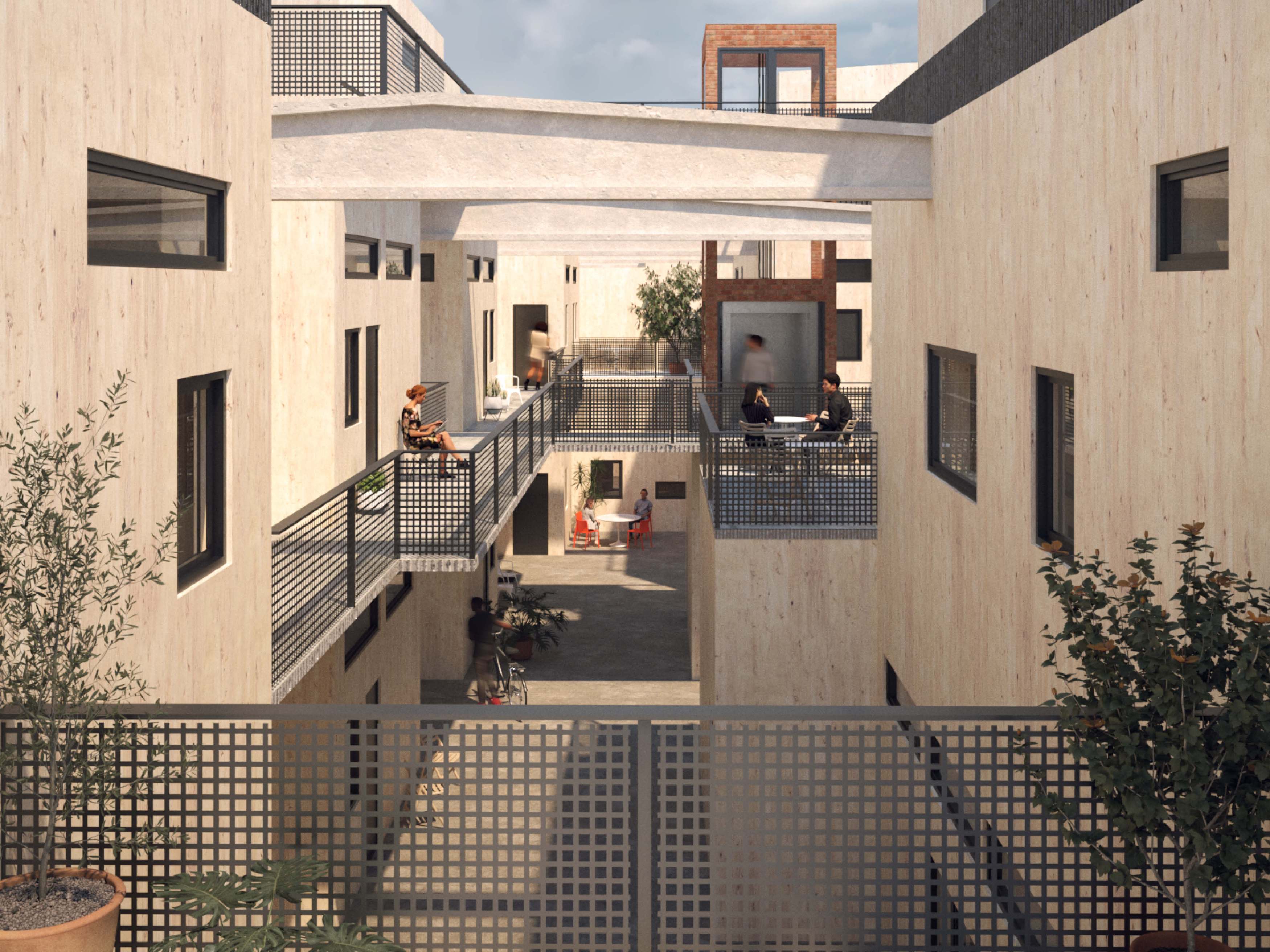
The target group for this project consists of people who desire a ‘productive lifestyle’ and who are interested in sharing different aspects of their dwelling. It could be persons in creative or craft professions. Half of the dwellings are one room apartments that could suit students as well as persons in need of less private space since social and productive spaces are shared. The dwelling complex hosts an atelier, work- and study places and a workshop. Some of the apartments can be used partly as a commercial premise, as an extra room for the dwelling or be rented out. The aspiration is that the entire public street will consist of a mix of dwellings, offices, shops, culture and more. At the same time, the dwellers have access to places, such as terraces and patios, with a higher degree of privacy.
LAYERS OF TIME
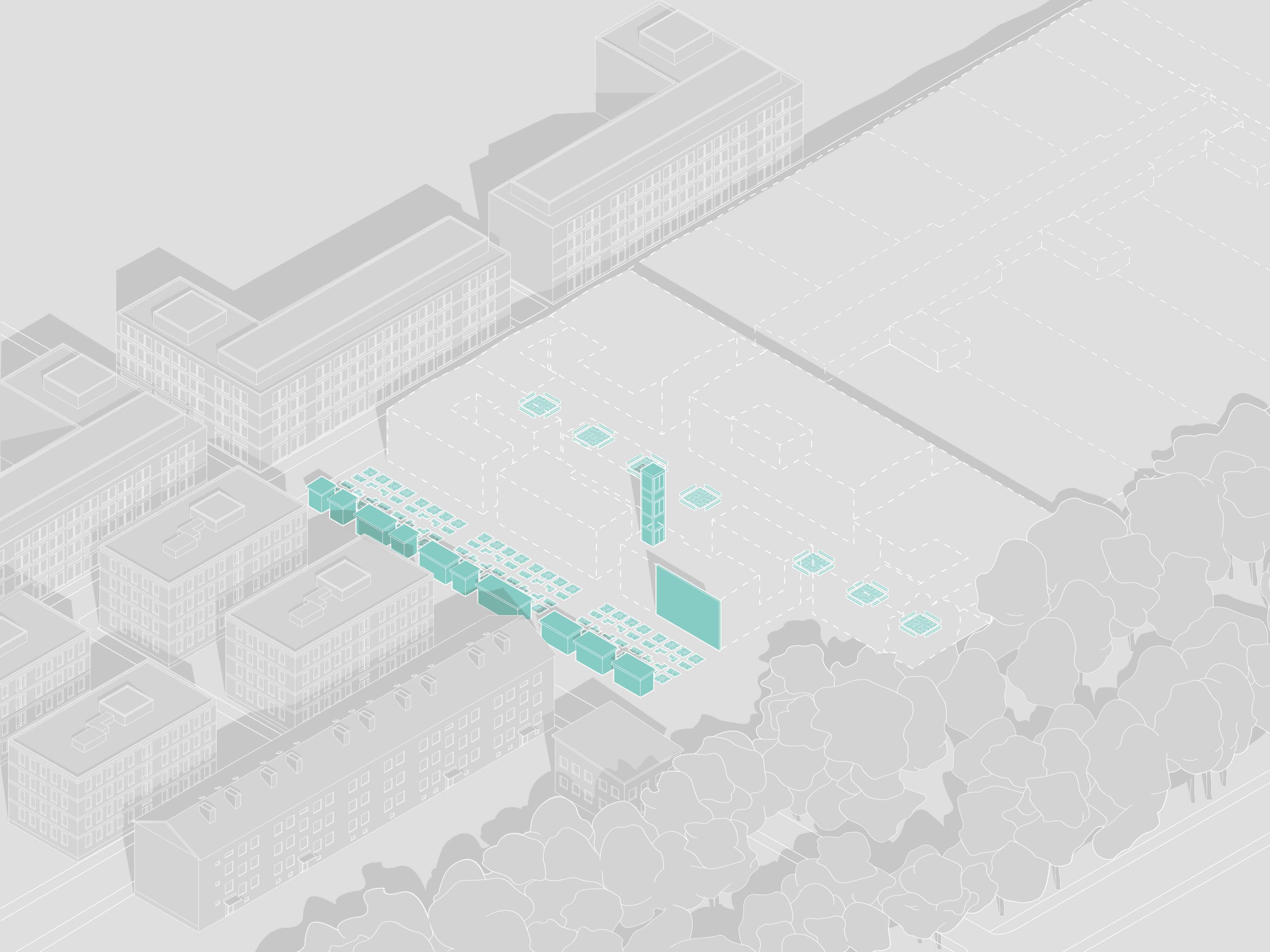
Reuse of buildings and materials contributes to preserve the industrial history of the place, at the same as a new time layer is added to a building which has already been added to several times.
 KARIN TÖRNSTRÖM